SEO vs GEO: Which Strategy Actually Drives AI Search Traffic

TL;DR: Traditional SEO and Generative Engine Optimization aren't competing strategies — they're converging. This post breaks down where each approach wins, where they overlap, and how to allocate effort between them so your brand shows up in both blue links and AI-generated answers.
A Summarized Experience
SEO was my first "marketing love" back in 2013. I was enamoured with the fact that you could build an entire business from organic traffic by making content, websites and products so useful that they became the obvious destination when someone searched for related products/solutions.
Times have changed, however. It doesn't matter if you call it SEO, AEO, GEO, AISO, LLMSO… There is no escaping the fact that zero click summaries are how people are going to be consuming most of the content that they used to have to click around to find.
"Summarized consensus" is how most queries are handled, regardless where you search online. This is decimating top of funnel traffic, because Google, Microsoft, Open AI, and Perplixity don't need your 1800 word blog to offer a link to your answer or solution anymore. That's where LLM's shine, summarizing consensus on popular topics.
The HubSpot Case Study

This chart of HubSpot's search traffic is a perfect example of what is happening (and will continue to happen) to top of funnel content. The 800 pound gorilla of building a business from SEO and content marketing has fallen to the supposedly bleak future of AI summarization and AI queries.
Or has it? Insert "call an ambulance, but not for me" meme. Stock price is a collective opinion, but revenue doesn't lie.
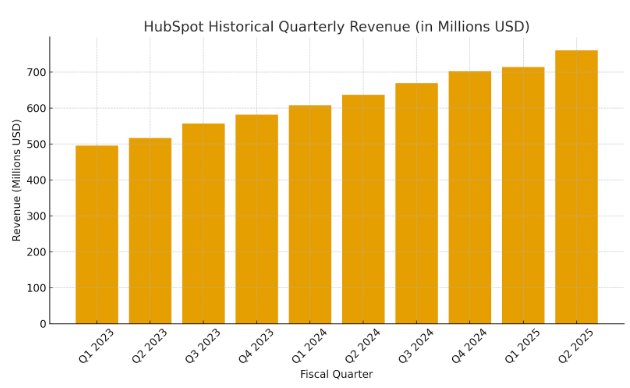
HubSpot is doing just fine. Why?
There are so many reasons, but certainly one of them is that they recognized this enormous shift and played offense. Extremely sharp people at HubSpot like Kieran Flanagan and Aja Frost decided to laser focus on what makes brands relevant in what is now the early innings of the AI search era.
In AI search, there are two primary ways to "win". The first is to be extremely visible across the web in community websites, aggregators, software review hubs etc. The second way is to be cited as a source driven by expertly structured data and consistently authoritative content. In my opinion, this is the far more sustainable and impactful approach because it focuses on what you personally own on the internet.
The first method is vulnerable to hand to hand combat by AI search giants, investors and tacticians. For example, last month, Google quietly removed the num=100 search parameter. This is the trick that lets you (and scrapers, bots, LLMs etc) see 100 results on one page instead of the default 10. It sounds small, but it is not. You can no longer view 100 results at once. The new hard limit is 10.
So if you focus all your energy on the first strategy (being mentioned on aggregation websites), one rule change can make 90% of your investment go "poof". Over the past few months, I've audited about 50 B2B SaaS websites to understand where they are in terms of best practices when it comes to structured data and how they are signaling that their content is authoritative.
Is Optimizing for AI Search Worth the Effort?
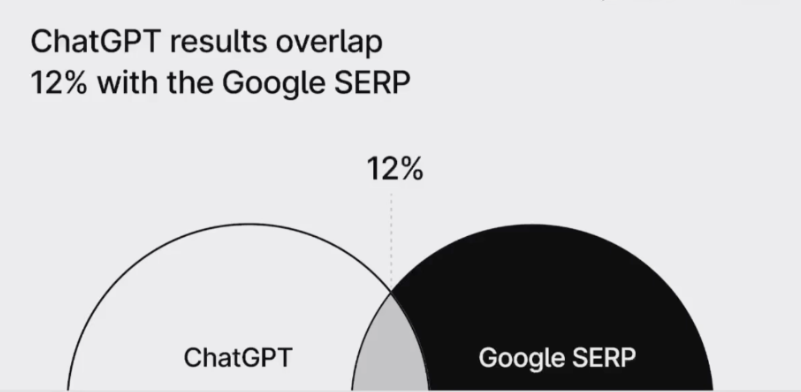
Through audits, generally this is where I see brands missing the mark:
1. Brands are not using alt text, image captions, and semantic markup effectively. These are the shortcuts that help crawlers know exactly what your content is about.
2. (query fan out) Missing descriptive internal linking that signals a body of work, not just a single point of view. This shows that you don't just have a point of view, you have a body of work.
3. Regularly published content that gives either vague or absolutely zero author information or credentials.
4. (chunk retrieval) Failing to break out succinct summaries of what the larger body of content is about along with key takeaways.
5. Missing FAQPage schema on pages that need it badly for both humans and robots.
6. Zero effort into optimizing sitemaps or robots.txt files.
7. Ignoring citations of bold claims with either third party or original data.
8. Unpublished or non-branded knowledge base or support documentation.
The Resource Gap
Marketing teams are held to key metrics, roadmaps, and publishing cadences. Why would teams focus on their technical approach moat when there are so many other concrete data points of success like frequency or branding? Injecting best practices that help themselves be recognized, understood and cited by AI search is not a priority that is being adopted by most teams.
That's where New Chemistry comes in. If you want a prioritized action plan grounded in your brand's actual data, our GEO Audit is the right first step. And if you're ready for ongoing optimization, the AI Visibility Program gives you a dedicated resource that audits your existing content, identifies solutions, implements best practices, and shows you the results in a clear and trackable way.
Ready to be seen?